Hall History
The Need for a Village Hall
By the early 1970s, it had become increasingly apparent that Wilbarston was missing a vital community facility — a village hall. Despite being one of the larger villages in the north-west of the county, Wilbarston relied on temporary venues such as the village school and the Fox pub for social events and activities. These arrangements were limited and often impractical. In 1974, Wilbarston Parish Council, with support from Kettering Borough Council, began exploring possible sites for a permanent hall. After investigating several options, including the old Methodist Chapel on Main Street, it was concluded that renovation costs would be excessive and that constructing a new hall would be the better solution.
Fundraising and Community Support
Fundraising for the new hall began in 1975 and immediately became a whole-village effort. Within the first year, £2,000 had been raised — a strong start towards the estimated £40,000 required. The community organised dances, events, and fundraising initiatives such as the popular 200 Club Draw at the Fox pub. By 1977, the village had raised £6,000, which, combined with generous grants and loans totalling around £30,000 from Kettering Borough Council, enabled the project to move forward. The level of local commitment played a crucial role in securing this additional funding.
Building the Hall and Early Years
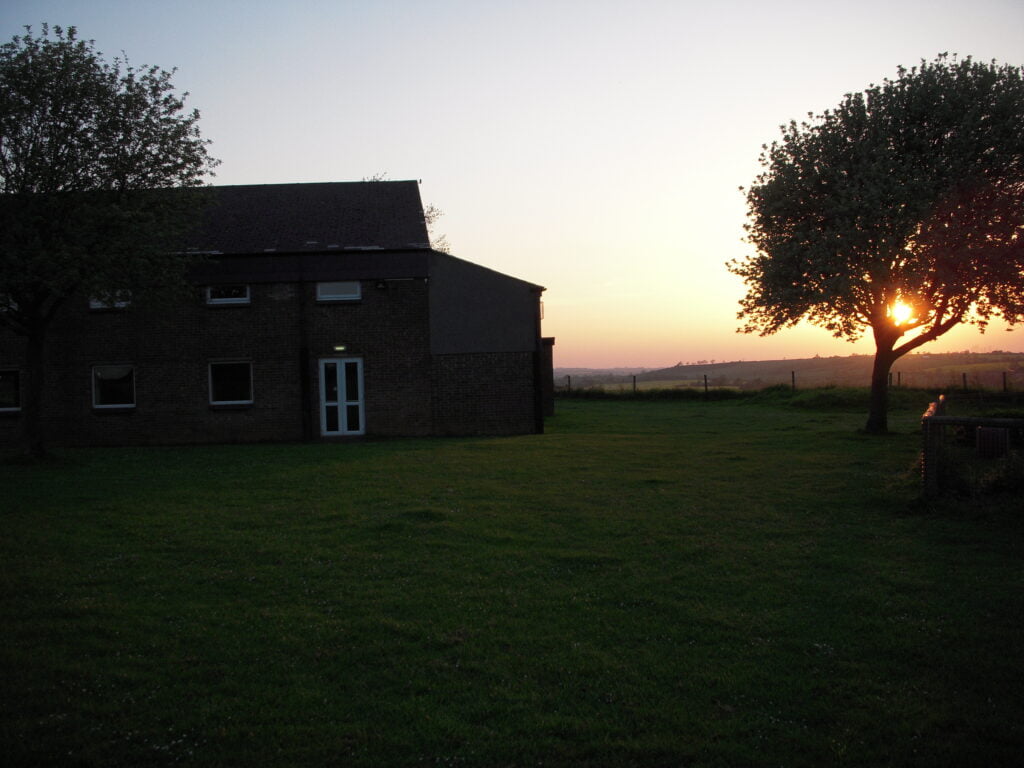
The site chosen for the new hall was on the playing field off Carlton Road, with the land leased to the Parish Council. To release funding, the hall was established as a registered charity, governed by a Trust Deed that defined responsibilities between Custodian Trustees and a volunteer Management Committee. Following a tender process, construction was awarded to Deejak Builders (Rushden) Ltd, with work starting in October 1977 and completing in May 1978. Wilbarston Village Hall was officially opened on 22 July 1978 by the High Sheriff of Northamptonshire, marking a proud moment for the village. In a light-hearted twist, the hall was simply named “Wilbarston Village Hall,” a choice that even gained national attention.
Growth, Renovation and the Future
Over the following decades, successive management committees worked continuously to improve and expand the hall. Extensions in the late 1980s added a large stage and changing rooms, while further storage space was created in 1991. By 2015, however, the building was showing its age, with significant structural and energy efficiency issues. In response, the Management Committee launched a major eco-renovation programme in 2016, securing around £80,000 through grants and fundraising. By 2020, the hall had been fully refurbished with a new roof, modern kitchen, improved insulation, efficient heating, and upgraded lighting — ensuring the hall is well placed to serve the village for many years to come.